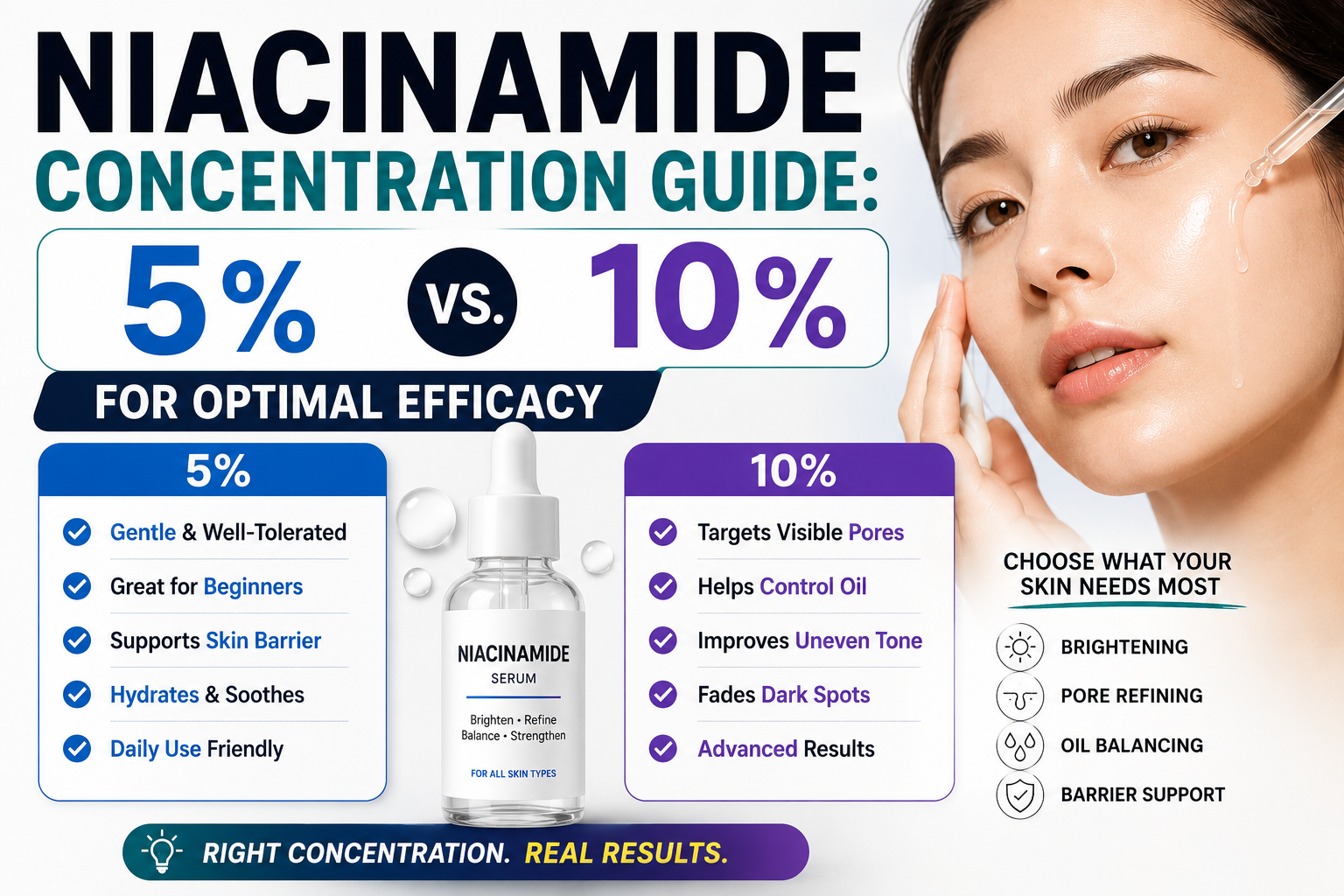
Niacinamide Concentration Guide: 5% vs. 10% for Optimal Efficacy
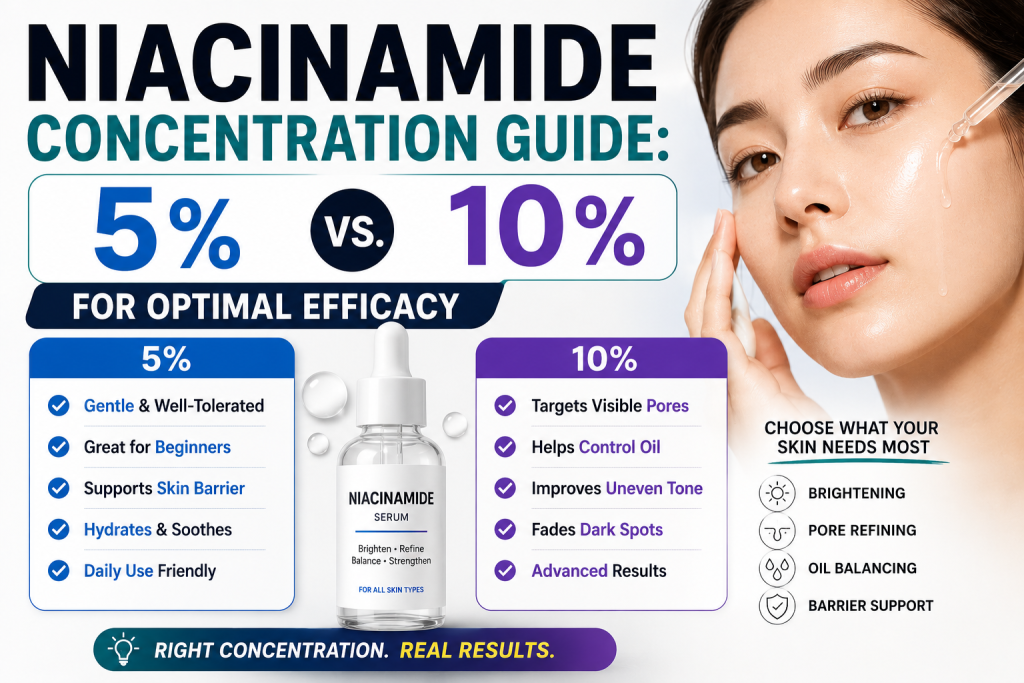
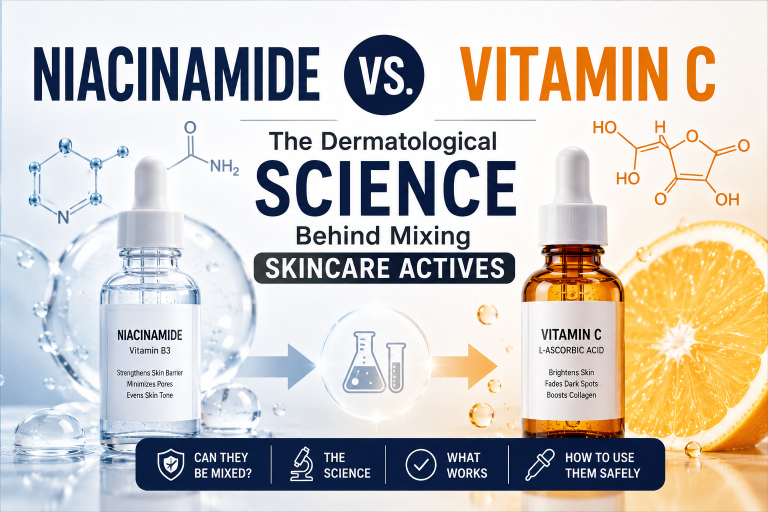
In the highly competitive landscape of clinical skincare, Niacinamide (Vitamin B3) has solidified its position as a non-negotiable active ingredient. Praised for its multi-functional ability to regulate sebum, inhibit melanin transfer, and rebuild the epidermal barrier, it is a cornerstone of modern cosmetic formulation.
However, as brands fiercely compete for consumer attention, a troubling industry trend has emerged: the “concentration arms race.” Marketing departments are increasingly pushing products with 10%, 15%, or even 20% Niacinamide, operating under the flawed consumer assumption that a higher percentage inherently guarantees superior results.
In the business of skincare, just as in finance, the law of diminishing returns applies. This column analyzes the dermatological data behind Niacinamide concentrations, contrasting the clinically proven 5% benchmark against the heavily marketed 10% threshold, to provide a strategic guide for optimal efficacy and consumer safety.
1. The Clinical Baseline: The 5% “Sweet Spot”
To understand optimal dosing, we must look at peer-reviewed dermatological research rather than marketing optics. The vast majority of independent clinical studies demonstrating Niacinamide’s efficacy have been conducted at concentrations ranging from 2% to 5%.
- Maximized Barrier Repair: At 2% to 5%, Niacinamide effectively stimulates the synthesis of ceramides and free fatty acids, structurally fortifying the skin barrier and significantly reducing Transepidermal Water Loss (TEWL).
- Optimal Pigmentation Control: Studies show that a 5% concentration is highly effective in inhibiting the transfer of melanosomes to keratinocytes, addressing hyperpigmentation and evening out skin tone without inducing cellular stress.
- The Safety-Efficacy Equilibrium: At the 5% threshold, the ingredient delivers maximum therapeutic benefits while maintaining a near-zero irritation profile, making it universally tolerable even for patients with compromised or highly sensitive skin (such as those with rosacea or eczema).
2. The 10% Dilemma: Diminishing Returns and Elevated Risk
If 5% is effective, is 10% twice as good? From a biochemical standpoint, the answer is a definitive no. Formulating with 10% Niacinamide often serves commercial differentiation rather than physiological necessity.
- The Plateau of Efficacy: Skin receptors can only process a finite amount of active ingredients at a time. Beyond the 5% mark, the efficacy curve flattens significantly. The visible difference in brightening or anti-aging benefits between a 5% and a 10% formula is statistically negligible.
- The Increased Risk of Sensitization: High-dose Niacinamide acts as a potential irritant. At 10% or higher, users frequently report paradoxical reactions: contact dermatitis, severe flushing, stinging, and micro-inflammation. Instead of repairing the skin barrier, extreme concentrations can actively degrade it, leading to a volatile customer experience and brand abandonment.
- Formulation Instability: Higher concentrations are inherently more difficult to stabilize. They are prone to crystallization and can contain higher trace amounts of Niacinic Acid (a byproduct of Niacinamide degradation), which is the primary culprit behind severe skin flushing and irritation.
3. Strategic Formulation: Beyond the Percentage
For consumers and formulators alike, the focus must shift from chasing raw percentages to prioritizing the overall formulation architecture.
- Synergistic Stacking over Solo High-Dosing: Instead of relying on a single 10% Niacinamide serum, optimal results are achieved by combining a safe 5% Niacinamide concentration with complementary actives. Pairing it with N-Acetyl Glucosamine (NAG) amplifies brightening effects, while combining it with Zinc PCA provides superior sebum control without the irritation risks of a high-dose single active.
- Delivery Systems Matter: The efficacy of Niacinamide relies heavily on the vehicle (the base formula). Liposomal encapsulation or optimal pH balancing (around pH 5.5 to 6.5) ensures that a 5% concentration penetrates effectively and performs significantly better than a poorly formulated 10% solution.
Conclusion: Science over Spectacle
In the pursuit of optimal skin health, “more” does not equal “better”—”precise” equals better.
The aggressive marketing of 10%+ Niacinamide formulations is a masterclass in consumer psychology, but it fails the test of dermatological pragmatism. For the vast majority of consumers, a well-formulated 5% Niacinamide product represents the apex of skincare ROI: it delivers all the clinically proven benefits of the active ingredient while entirely mitigating the downside risks of barrier damage and inflammation.
By grounding skincare routines in evidence-based concentrations, consumers can protect both their skin barrier and their wallets from the pitfalls of the concentration arms race.