Skin Cycling Explained: The Science of Alternating Active Ingredients
For the past decade, the global skincare industry has been dominated by a “more is more” philosophy. Consumers have been encouraged to layer highly concentrated active ingredients—from alpha-hydroxy acids to potent retinoids—in exhaustive daily routines. However, this maximalist approach has inadvertently created an epidemic of compromised skin barriers, characterized by chronic erythema (redness), hypersensitivity, and accelerated Transepidermal Water Loss (TEWL).
In response, dermatologists and cosmetic chemists have championed a profound paradigm shift: Skin Cycling.
Far from a fleeting social media trend, skin cycling is a scientifically grounded, bio-mimetic approach to product application. By strategically alternating powerful active ingredients with dedicated recovery phases, this methodology aligns with the skin’s natural biological rhythms. For beauty executives, formulators, and brand strategists, understanding the clinical science behind skin cycling is essential for developing the next generation of efficacious, non-irritating skincare systems.
1. The Biological Rationale: Why Continuous Application Fails
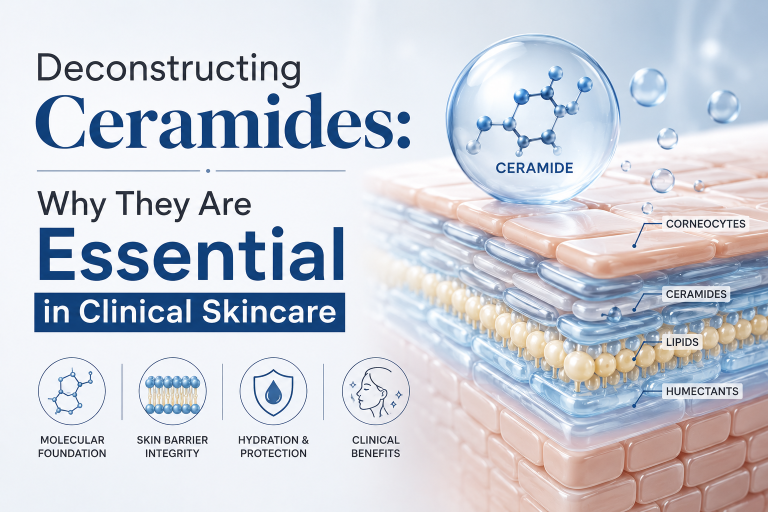
The human skin barrier, specifically the stratum corneum, is a highly regulated, selectively permeable structure. It consists of corneocytes (dead skin cells) held together by a lipid matrix of ceramides, cholesterol, and free fatty acids.
When consumers apply high-percentage actives like Retinol or Glycolic Acid daily, they outpace the skin’s natural regenerative capacity.
- The Paradox of Over-Exfoliation: Continuous application of chemical exfoliants strips the lipid bilayer faster than the epidermis can synthesize new lipids.
- Inflammatory Cascade: This constant state of micro-injury triggers a persistent cytokine response (inflammation). Instead of stimulating healthy collagen production, chronic inflammation accelerates intrinsic aging and causes active ingredients to act as pure irritants rather than therapeutic agents.
Skin cycling solves this by introducing a fundamental principle of exercise physiology to dermatology: tissue requires rest to remodel.
2. The Standard Four-Day Protocol: A Clinical Breakdown
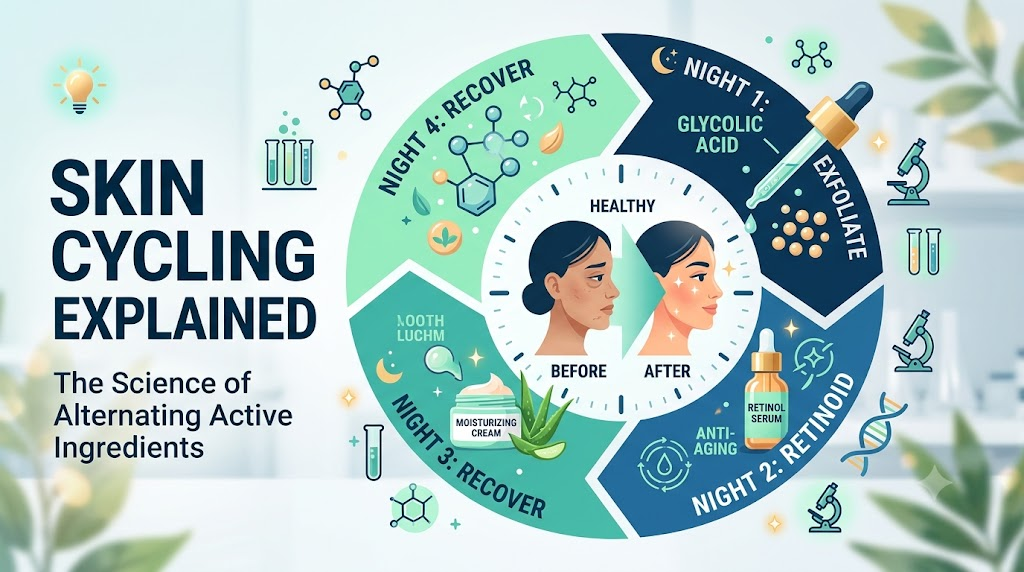
The traditional skin cycling regimen operates on a four-night rotation. This specific cadence is engineered to maximize cellular turnover while preventing the cumulative irritation associated with retinization.
| Phase | Ingredient Focus | Primary Biological Objective | Mechanism of Action |
|---|---|---|---|
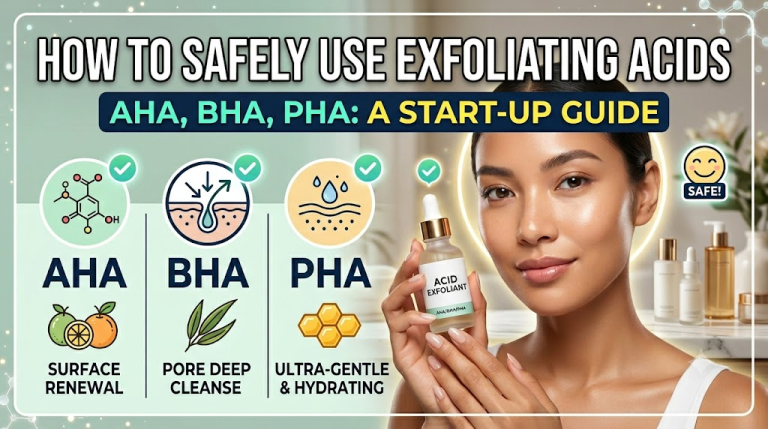
| Night 1: Exfoliation | AHA, BHA, PHA | Desquamation (Dead cell removal) | Dissolves intracellular desmosomes, instantly improving texture and increasing the penetration efficacy of subsequent products. |
| Night 2: Retinoid | Retinol, Retinaldehyde, Tretinoin | Fibroblast Activation | Binds to retinoic acid receptors (RARs) in the dermis to upregulate collagen synthesis and accelerate cellular turnover. |
| Night 3: Recovery | Ceramides, Peptides, Hyaluronic Acid | Hydration & Soothing | Replenishes water content and halts any inflammatory pathways initiated by the prior nights’ actives. |
| Night 4: Recovery | Squalane, Panthenol, Fatty Acids | Lipid Barrier Reconstruction | Rebuilds the stratum corneum’s lipid matrix, sealing in moisture and ensuring the barrier is resilient enough to restart the cycle. |
3. The Biomolecular Science of the “Recovery Phase”
The most critical innovation of the skin cycling framework is not the use of active ingredients, but the mandatory integration of Recovery Nights (Nights 3 and 4).
During the active nights (1 and 2), the skin undergoes controlled trauma. During the recovery nights, the biological remodeling actually occurs.
- Lipid Synthesis: Formulators target these nights with biomimetic lipids. An ideal recovery cream utilizes the golden ratio of 3:1:1 (Ceramides : Cholesterol : Free Fatty Acids), which perfectly mimics the human lipid matrix, allowing for rapid integration and repair.
- Microbiome Stabilization: Taking a break from acidic formulas (like AHAs, which lower the skin’s pH, and Retinoids) allows the skin’s natural acid mantle to stabilize. This creates a hospitable environment for the commensal microbiome, which acts as a primary defense against pathogenic bacteria.
4. Market Implications: Shifting Consumer Behavior and Brand Strategy
The mainstream adoption of skin cycling is drastically altering consumer purchasing habits, presenting both challenges and lucrative opportunities for skincare conglomerates.
The Rise of the “System” over the “Hero Product”
Historically, brands marketed isolated “hero” ingredients (e.g., a standalone 1% Retinol serum). Skin cycling forces consumers to view their routine holistically. Forward-thinking brands are shifting their R&D and marketing strategies to sell cohesive, synergistic systems—packaging an exfoliant, a retinoid, and a barrier repair cream as a single, curated protocol. This drastically increases the Average Order Value (AOV) and ensures product compatibility.
The Boom of the Barrier Repair Segment
Because 50% of the skin cycling routine is dedicated to recovery, the demand for highly sophisticated, barrier-repairing moisturizers has skyrocketed. Ingredients once considered unglamorous—like Panthenol (Vitamin B5), Centella Asiatica, and Ectoin—have become premium focal points in luxury formulations.
Conclusion: A Sustainable Future for Clinical Skincare
Skin cycling represents the maturation of the modern skincare consumer. It marks a transition away from aggressive, immediate-gratification marketing toward a sustainable, scientifically validated approach to long-term skin health.
For the cosmetics industry, the message is clear: the future of high-performance skincare does not rely on formulating the highest possible concentration of an active ingredient. Instead, the ultimate competitive advantage lies in controlling the pacing, delivery, and recovery of those ingredients, ensuring they work in harmony with human biology rather than against it.