Strategic Recovery: Dermatologist-Recommended Post-Laser Healing Protocols
Investing in advanced laser therapies—whether ablative CO2, non-ablative Fraxel, or Intense Pulsed Light (IPL)—is a highly effective strategy for skin rejuvenation, hyperpigmentation correction, and texture refinement. However, from a clinical standpoint, the procedure itself is only half of the equation. The ultimate efficacy of your dermatological investment is dictated by the precision of your post-laser skincare routine.
When high-energy lasers create controlled micro-injuries to stimulate collagen production, they temporarily compromise the skin’s epidermal barrier. Navigating this vulnerable window requires a scientifically grounded healing protocol to prevent complications, hyperpigmentation, and prolonged erythema (redness).
Below is an expert-vetted, dermatologist-recommended timeline and protocol designed to optimize your recovery and maximize your aesthetic results.
Phase 1: The Acute Healing Stage (Days 1–3)
Immediately following a laser procedure, the skin is in an acute state of inflammation. The primary objective during this phase is to soothe thermal damage, prevent infection, and establish an artificial barrier while the skin repairs itself.
- Thermal Regulation: The skin will feel like it has sustained a mild to moderate sunburn. Apply cold compresses using sterile gauze and distilled water for 10-minute intervals to constrict blood vessels and reduce localized heat.
- Strategic Cleansing: Standard cleansers are too harsh for a compromised barrier. Utilize a gentle, non-foaming, pH-balanced cleanser. Wash with lukewarm or cool water, and strictly avoid rubbing the skin; pat dry with a clean microfiber towel.
- Occlusive Moisturization: The skin’s trans-epidermal water loss (TEWL) is at its peak. Apply a dermatologist-recommended occlusive ointment (such as medical-grade petrolatum or specialized post-procedure balms) to lock in moisture and shield against environmental pathogens.
Clinical Note: During the first 72 hours, perfectly sterile environments are paramount. Change your pillowcases daily and avoid environments with high bacterial risks, such as saunas, heated pools, or intense cardiovascular workouts that induce heavy perspiration.
Phase 2: Cellular Proliferation and Sloughing (Days 4–7)
As the acute inflammation subsides, the skin enters the proliferation phase. You will likely experience dryness, tightness, and visible flaking or crusting (often referred to as “MENDs” – Microscopic Epidermal Necrotic Debris).
- Strict Hands-Off Policy: It is imperative that you do not pick, peel, or mechanically exfoliate the flaking skin. Premature removal of this protective crust significantly increases the risk of permanent scarring and post-inflammatory hyperpigmentation (PIH).
- Transition to Ceramides: Shift from heavy occlusive ointments to barrier-repairing creams rich in ceramides, squalane, and hyaluronic acid. These biomimetic lipid formulations accelerate the repair of the stratum corneum.
- Vigilant UV Defense: As the new, highly sensitive skin emerges, it is exceptionally vulnerable to UV radiation. Apply a broad-spectrum, 100% physical (mineral) sunscreen containing zinc oxide or titanium dioxide with an SPF of at least 30. Reapply every two hours, regardless of whether you are indoors or outdoors.
Phase 3: Long-Term Maintenance and Protection (Day 8 and Beyond)
By the second week, the physical peeling has typically resolved, revealing a refined, rejuvenated dermal layer. The objective now shifts to long-term cellular support and protecting the newly synthesized collagen.
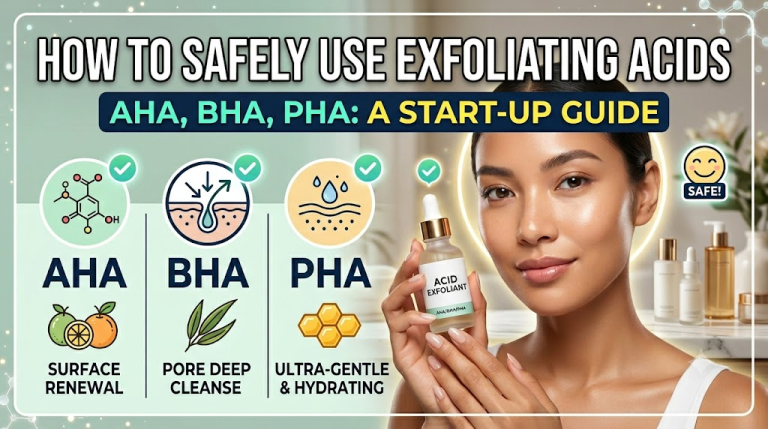
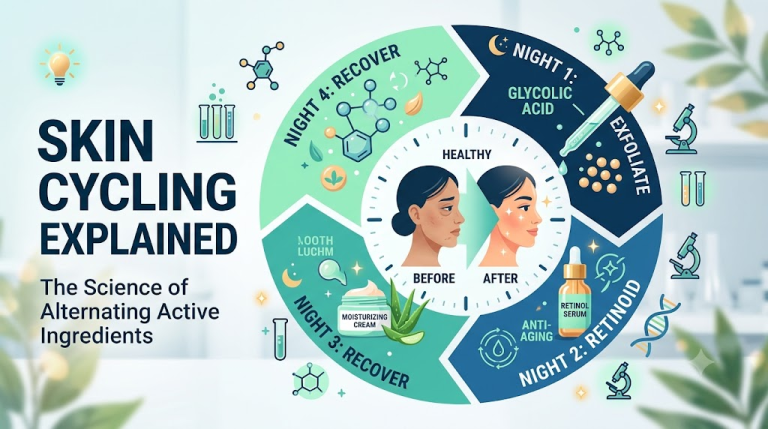
- Reintroducing Actives Safely: Gradually reintroduce active ingredients back into your regimen. Wait at least 14 to 21 days before resuming the use of retinoids (Vitamin A), alpha-hydroxy acids (AHAs), beta-hydroxy acids (BHAs), or L-ascorbic acid (Vitamin C).
- Sustained Hydration: Continue to prioritize deep hydration. A robust moisture barrier ensures that the skin remains resilient against daily environmental stressors.
- Antioxidant Integration: Once the skin is fully healed, incorporate a stabilized antioxidant serum to neutralize free radicals and protect your investment from premature photoaging.
The Post-Laser Ingredient Matrix
To ensure clarity in your product selection, refer to the following matrix of compounds to prioritize and those to strictly avoid during the critical 14-day recovery window.
| Ingredient Category | Status | Clinical Rationale |
|---|---|---|
| Hyaluronic Acid | EMBRACE | Binds water to the skin, drastically reducing trans-epidermal water loss. |
| Ceramides / Peptides | EMBRACE | Rebuilds the lipid matrix and supports structural protein synthesis. |
| Centella Asiatica (Cica) | EMBRACE | Highly effective botanical extract that down-regulates inflammatory markers. |
| Retinoids / Retinol | AVOID | Induces cellular turnover too rapidly for compromised skin, causing severe irritation. |
| Chemical Exfoliants (AHA/BHA) | AVOID | Lowers skin pH and dissolves necessary cellular bonds during the fragile healing phase. |
| Synthetic Fragrances | AVOID | Leading cause of contact dermatitis in barrier-compromised skin. |
Executive Summary
Executing a post-laser skincare routine requires the same level of discipline and strategic oversight as any high-stakes business initiative. By adhering to a dermatologist-recommended healing protocol—prioritizing barrier repair, executing extreme patience during the shedding phase, and maintaining vigilant sun protection—you mitigate clinical risks and secure a flawless, long-lasting aesthetic outcome.