The Science of Rosacea: Identifying Triggers and Calming Chronic Inflammation
Executive Summary
In the realm of dermatological disorders, rosacea is frequently misunderstood by both consumers and skincare professionals as simple cosmetic redness or standard sensitive skin. In reality, rosacea is a complex, chronic neurovascular inflammatory condition that fundamentally alters the skin’s structural and immune functions. For executives navigating high-stress environments or industry professionals formulating clinical skincare, recognizing the biological underpinnings of rosacea is essential. Effective management requires moving beyond generic “soothing” creams and implementing a targeted, science-based protocol to identify environmental catalysts, modulate the immune response, and rebuild the compromised epidermal barrier.
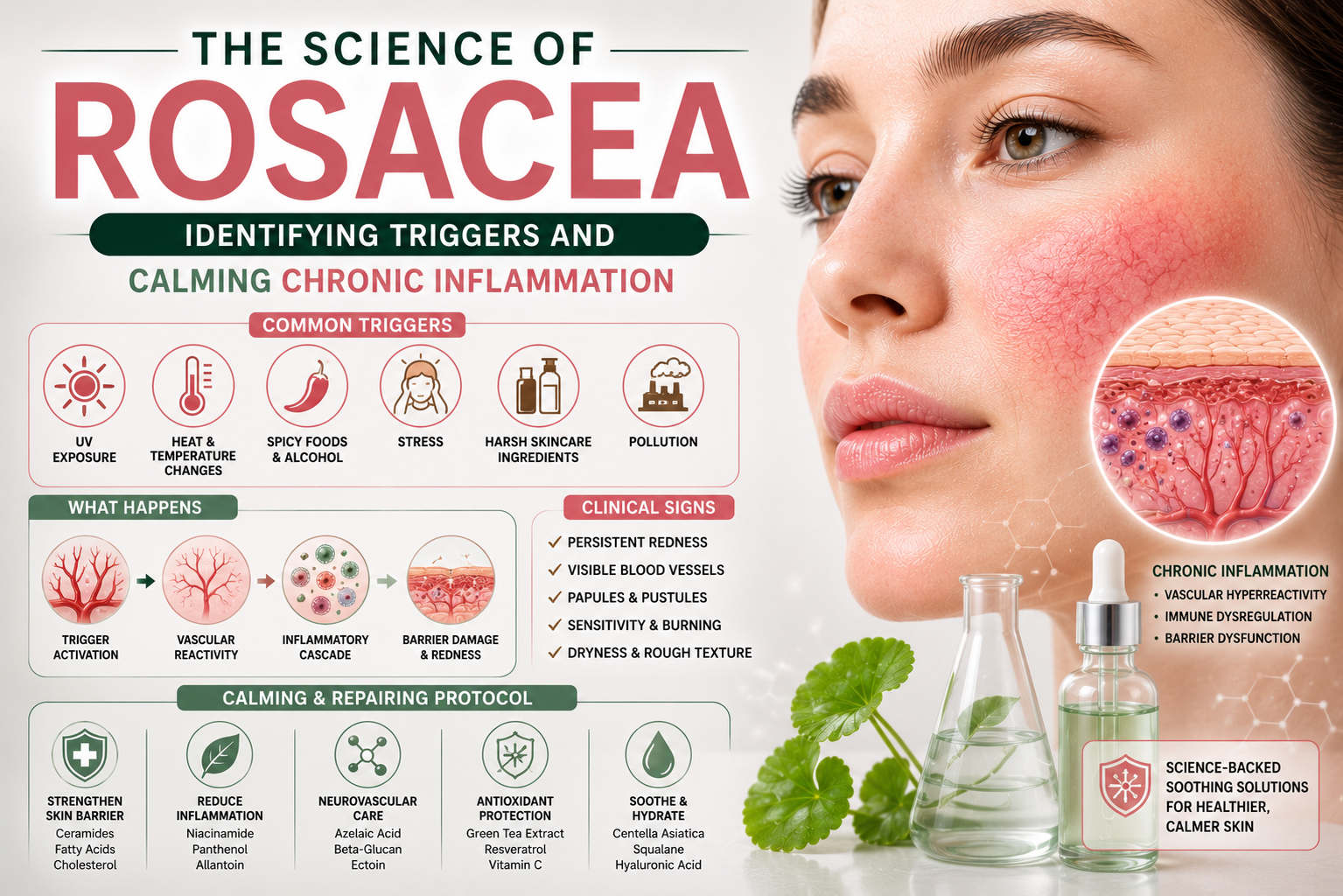
The Pathophysiology: What Drives the Redness?
To effectively manage rosacea, one must first understand its distinct biological mechanisms. It is not merely a superficial reaction; it is a systemic hyper-reactivity rooted in three primary biological dysfunctions:
1. Neurovascular Hyper-Reactivity The defining characteristic of rosacea is frequent flushing and persistent erythema (redness). This occurs because the blood vessels in the central face are structurally abnormal and hyper-responsive to stimuli. When triggered, these vessels undergo profound vasodilation, flooding the tissue with blood and inflammatory mediators. Over time, these vessels lose their elasticity, resulting in visible, permanent broken capillaries (telangiectasia).
2. Immune System Overdrive (The LL-37 Peptide) Clinical studies have revealed that rosacea patients possess abnormally high levels of cathelicidins, specifically a peptide known as LL-37. In healthy skin, cathelicidins act as antimicrobial defense agents. In rosacea-prone skin, the overproduction of LL-37 triggers an aggressive, unprovoked inflammatory cascade, leading to the formation of papules and pustules that mimic acne.
3. The Microbiome Imbalance (Demodex Mites) The human skin microbiome naturally harbors microscopic Demodex mites. While benign in a normal population, research indicates that individuals with rosacea have up to ten times the density of these mites. The immune system of a rosacea patient overreacts to the presence of these mites and the bacteria they carry, fueling localized inflammation.
Identifying the Catalysts: The Science of Triggers
Rosacea management is highly individualized, but the biological triggers generally fall into specific categories. Identifying and mitigating these catalysts is the first line of defense in preventing vasodilation and inflammatory flares.
- Thermal and Environmental Extremes: The rosacea vascular network is highly sensitive to temperature shifts. Acute UV radiation (sun exposure) is the leading trigger, as it degrades the dermal matrix and induces angiogenesis (the formation of new, fragile blood vessels). Extreme heat, saunas, and freezing winds similarly trigger immediate vasodilation.
- Dietary Vasodilators: Certain foods and beverages chemically induce flushing. The most common offenders are alcohol (specifically red wine, which contains tyramines and histamines) and spicy foods containing capsaicin, which activates heat receptors in the skin, mimicking a thermal burn.
- Psychological Stress: The gut-brain-skin axis is acutely prominent in rosacea. High-stress environments trigger the release of cortisol and adrenaline, which elevate heart rate, increase blood flow, and stimulate the exact neurovascular pathways responsible for a rosacea flare.
Clinical Management: Protocols for Calming Inflammation
Because rosacea is chronic, there is no definitive cure. However, with strategic intervention, complete remission of symptoms is highly achievable. The protocol must be dual-pronged: suppressing the active inflammation and fortifying the skin’s physical barrier.
1. Targeted Topical Therapeutics Over-the-counter soothing agents are insufficient for active rosacea. Clinical management relies on highly specific active ingredients:
- Azelaic Acid (10% to 15%): A gold-standard therapeutic. It acts as an anti-inflammatory and antibacterial agent, downregulating the production of the aggressive LL-37 peptides and reducing the appearance of papules.
- Ivermectin: For rosacea driven by microbiome imbalance, topical ivermectin explicitly targets and reduces the Demodex mite population, rapidly calming the associated immune response.
- Metronidazole: A topical antibiotic strictly utilized for its potent anti-inflammatory properties, specifically to manage the acne-like pustules of subtype 2 rosacea.
2. Vascular Interventions (Laser Therapy) Topical skincare cannot physically shrink permanently dilated blood vessels. For persistent erythema and telangiectasia, clinical intervention is required. Pulsed Dye Lasers (PDL) and Intense Pulsed Light (IPL) specifically target the hemoglobin in the enlarged vessels. The heat destroys the damaged capillary walls, prompting the body to naturally reabsorb them, clearing the persistent redness.
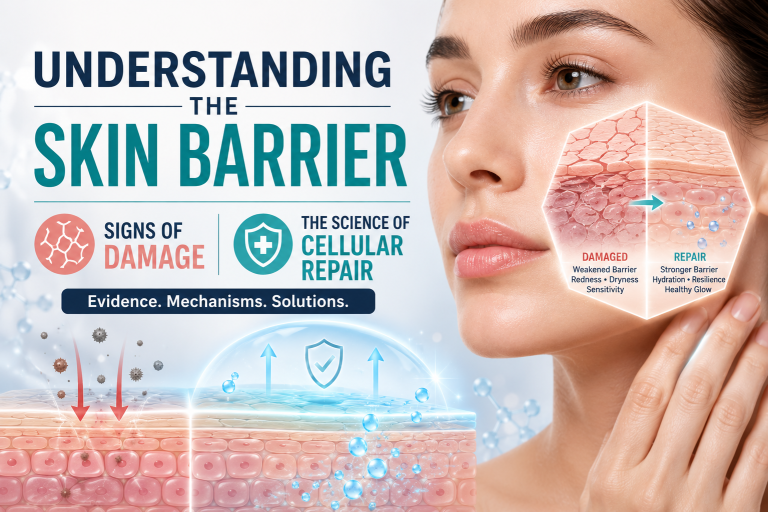
3. Barrier Fortification Strategies Individuals with rosacea possess a genetically impaired stratum corneum (the outermost skin barrier), leading to high Transepidermal Water Loss (TEWL) and severe sensitivity. A foundational management strategy involves daily application of biomimetic lipids—specifically ceramides, cholesterol, and free fatty acids—to physically seal the barrier, locking out environmental irritants that would otherwise trigger an immune response.
Conclusion: A Strategic Approach to Dermal Health
Navigating rosacea requires a shift from passive cosmetic consumption to active, strategic management. The condition is a biological reality of hyper-reactive neurovascular and immune systems. By diligently identifying environmental and lifestyle triggers, utilizing targeted anti-inflammatory therapeutics like azelaic acid, and investing in barrier-repairing clinical formulations, patients can successfully downregulate chronic inflammation. For professionals and consumers alike, mastering the science of rosacea is the definitive path to achieving a resilient, balanced, and functionally healthy complexion.