Understanding the Skin Barrier: Signs of Damage and the Science of Cellular Repair
Executive Summary
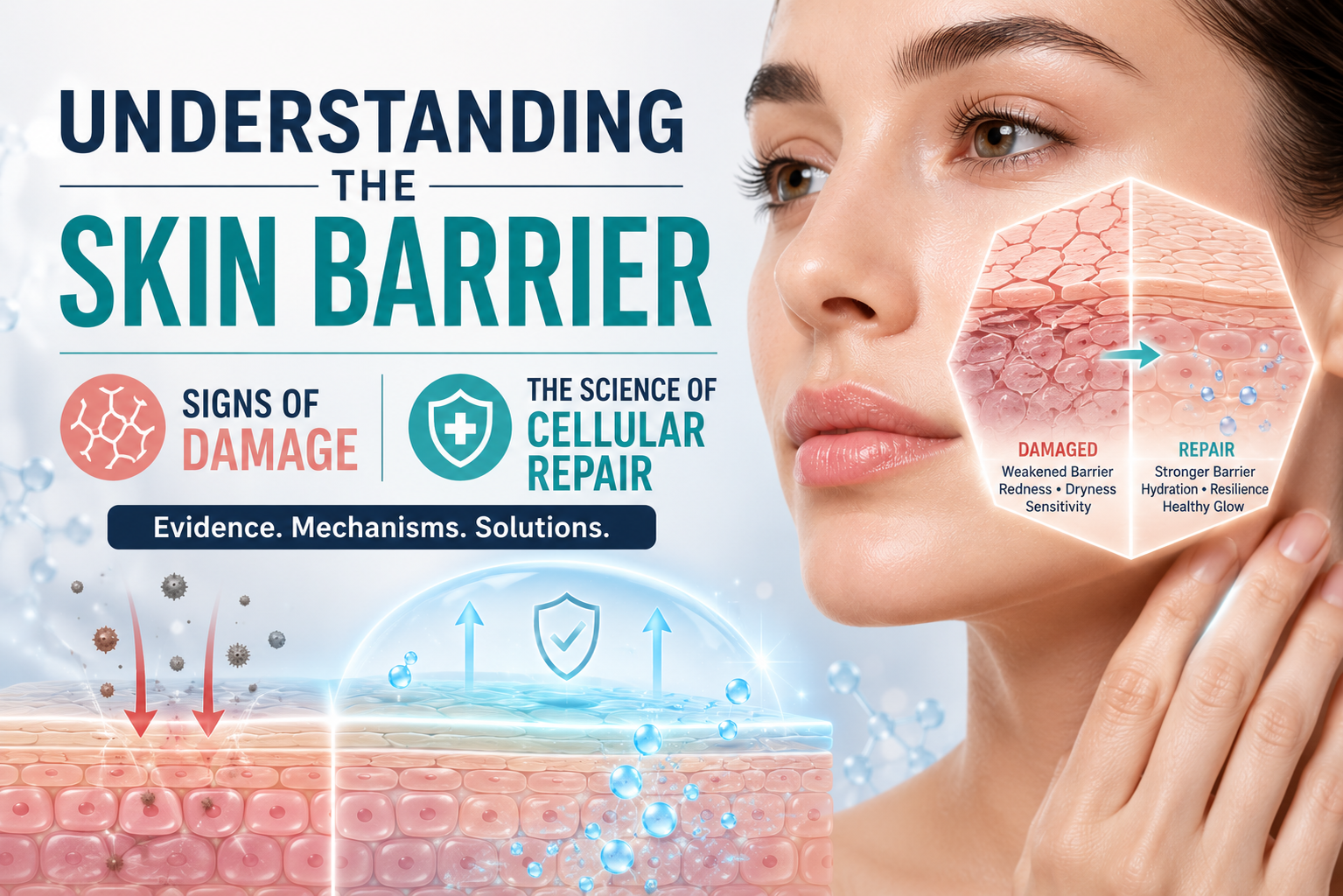
In the contemporary skincare market, the pursuit of cellular turnover and rapid anti-aging results has inadvertently fueled an epidemic of compromised skin. While active ingredients like retinoids and hydroxy acids are invaluable, their overuse frequently destroys the skin’s fundamental defense mechanism: the stratum corneum. For dermatological professionals, formulation chemists, and informed consumers, shifting the focus from aggressive exfoliation to barrier optimization is not merely a trend—it is the biological prerequisite for achieving long-term dermal health. Understanding the architecture of the skin barrier, recognizing the clinical signs of its degradation, and implementing cellular repair protocols are essential competencies in modern cosmeceuticals.
The Architecture of the Epidermis: The Brick and Mortar Model
To understand barrier damage, one must first visualize its structural biology. The outermost layer of the epidermis, the stratum corneum, operates as an intelligent, semi-permeable shield. Dermatologists frequently explain this architecture using the “brick and mortar” analogy.
- The Bricks (Corneocytes): These are terminally differentiated, hardened skin cells packed with keratin and natural moisturizing factors (NMF). They provide the physical structure and tensile strength of the barrier.
- The Mortar (The Lipid Matrix): Surrounding the corneocytes is a highly organized, bidirectional lipid bilayer. This crucial “mortar” is composed of three specific biochemicals: ceramides (50%), cholesterol (25%), and free fatty acids (15-20%).
When this precise ratio is maintained, the barrier effectively seals moisture inside the body while keeping environmental aggressors, pathogens, and irritants out. When this lipid matrix is depleted, the structural integrity of the entire organ collapses.
Identifying the Breach: Clinical Signs of Barrier Damage
Barrier dysfunction is frequently misdiagnosed by consumers as a sudden change in skin “type” (e.g., believing one has suddenly developed acne-prone or highly sensitive skin). In reality, these are symptoms of a structural breach. The primary indicators include:
1. Accelerated Transepidermal Water Loss (TEWL) When the lipid mortar dissolves, microscopic fissures open in the skin. Water evaporates rapidly from the deeper layers into the atmosphere. This presents clinically as skin that feels concurrently tight, crepey, and chronically dehydrated, regardless of how much superficial moisturizer is applied.
2. The “Sting” of Benign Products A hallmark symptom of a compromised barrier is profound stinging or burning upon the application of previously well-tolerated, non-active products (such as a basic hydrating serum or gentle cleanser). This occurs because the physical shield has thinned, allowing ingredients direct access to unprotected nerve endings in the lower epidermis.
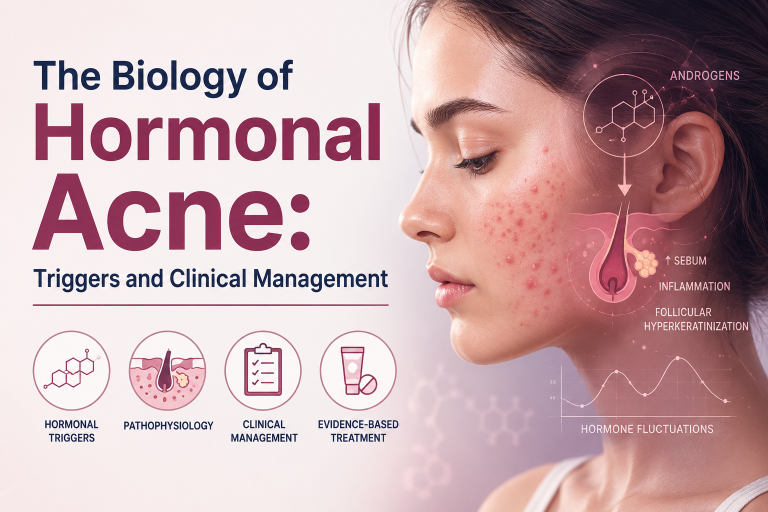
3. Paradoxical Oil Production and Breakouts In an emergency response to severe dehydration (TEWL), the sebaceous glands often overcompensate by producing a massive surge of sebum. This creates a confusing clinical picture: skin that is tight and flaking, yet coated in an oil slick. Furthermore, the compromised barrier allows acne-causing bacteria (C. acnes) to easily penetrate the skin, leading to sudden, persistent inflammatory breakouts.
Catalysts for Destruction: How the Barrier Fails
The destruction of the stratum corneum is rarely a single event; it is typically the result of cumulative micro-traumas. The most common culprits include:
- Aggressive Polipharmacy: The “more is better” fallacy. Layering multiple active ingredients—such as combining AHAs/BHAs, potent Vitamin C serums, and prescription retinoids in a single routine—overwhelms the skin’s regenerative capacity.
- Alkaline Cleansers: The skin barrier operates optimally at a slightly acidic pH (4.5 to 5.5), known as the acid mantle. Using harsh, high-pH foaming cleansers strips the lipid matrix and creates an alkaline environment where pathogenic bacteria thrive.
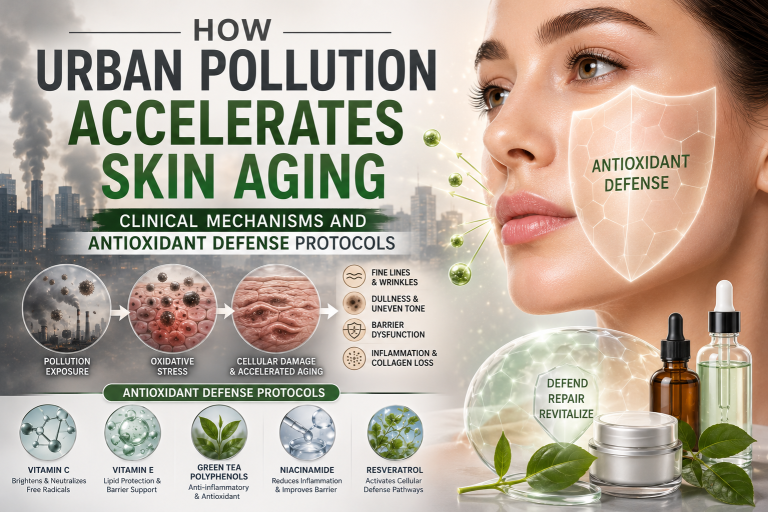
- Environmental Exacerbators: Extreme UV exposure, low-humidity environments (such as heavily air-conditioned offices), and urban particulate pollution continuously degrade surface lipids through oxidative stress.
Cellular Repair Strategy: Formulating a Recovery Protocol
Once the barrier is compromised, all active, cellular-communicating ingredients (retinol, acids, Vitamin C) must be immediately suspended. The strategic focus must pivot entirely to structural repair and lipid replenishment.
1. Biomimetic Lipid Replacement The gold standard for barrier repair is the topical application of the exact lipids the skin has lost. Clinically effective recovery creams are formulated with an optimized, biomimetic ratio of ceramides, cholesterol, and fatty acids. This bio-identical mortar rapidly fills the microscopic fissures in the stratum corneum, instantly halting TEWL.
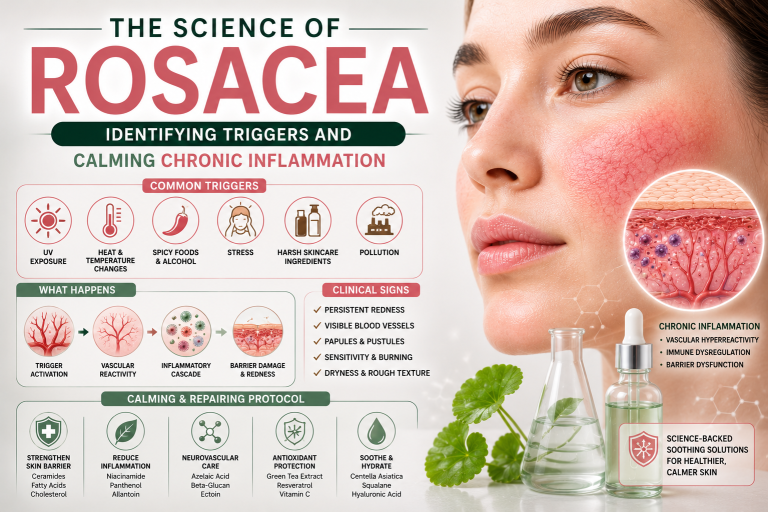
2. Integration of Soothing Phytochemicals To mitigate the systemic inflammatory response, formulations should integrate scientifically validated soothing agents. Ingredients such as Centella Asiatica (specifically Madecassoside), colloidal oatmeal, panthenol (Vitamin B5), and allantoin work synergistically to downregulate pro-inflammatory cytokines and accelerate cellular re-epithelialization.
3. Strategic Occlusion In cases of severe barrier impairment, temporary occlusion is necessary. Using non-comedogenic occlusive agents (like petrolatum, squalane, or high-weight dimethicone) as the final step in an evening routine creates an artificial, breathable seal over the skin. This mimics the function of a healthy barrier, allowing the skin’s internal mechanisms to focus entirely on self-repair rather than defense.
Conclusion: The Foundation of Efficacy
In the business of aesthetic dermatology and high-performance skincare, understanding the skin barrier is non-negotiable. A compromised barrier cannot effectively absorb, synthesize, or utilize advanced active ingredients; instead, it will react with inflammation and accelerated aging. For clinicians designing treatment protocols and formulators developing the next generation of cosmeceuticals, prioritizing the integrity of the stratum corneum is the ultimate prerequisite. True skin transformation does not occur through constant cellular destruction, but through strategic, sustained structural fortification.